
NCPDP ColLab: A Refreshingly Different Kind of Industry Session

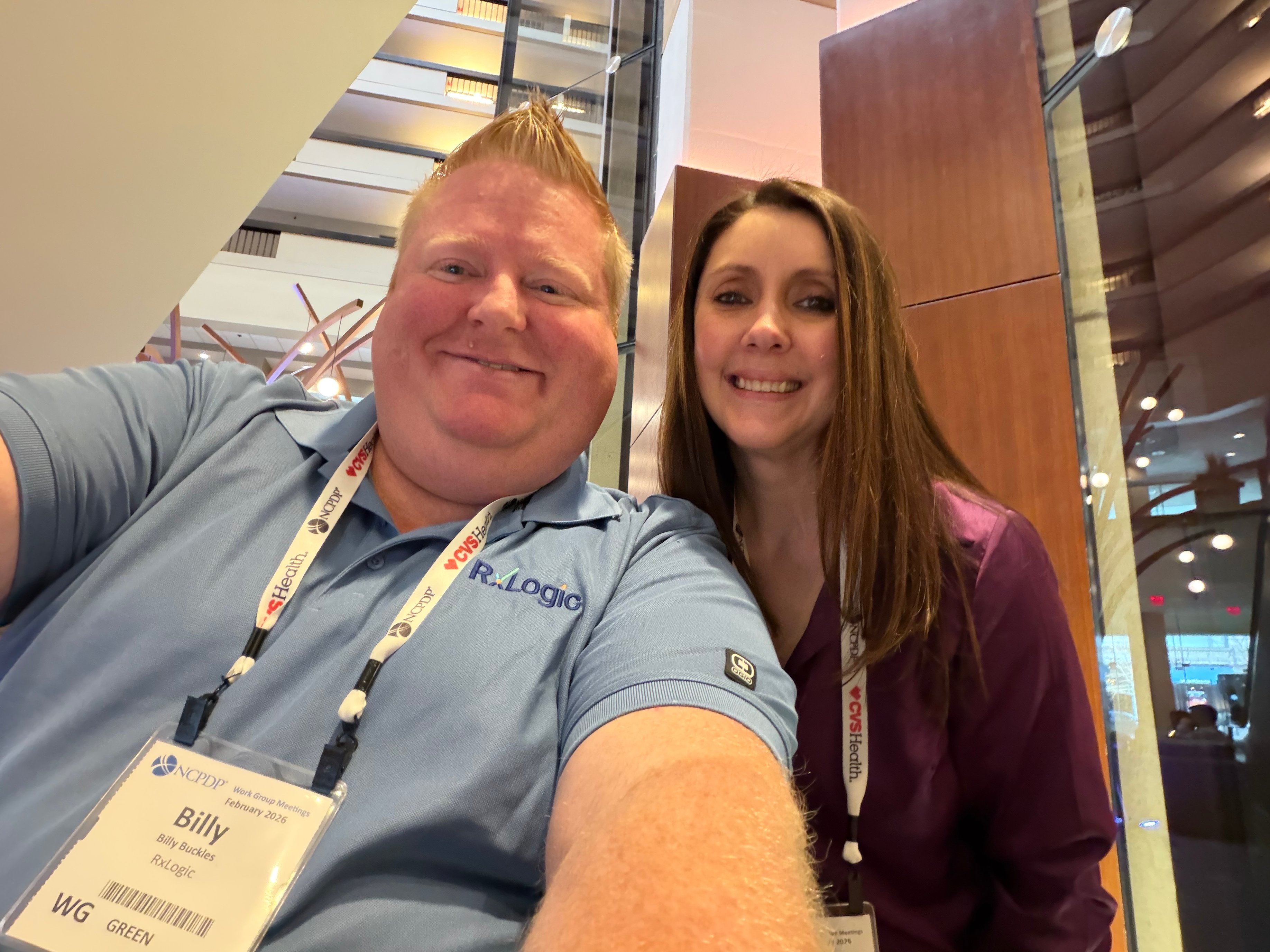
I attended an NCPDP ColLab event recently, and it ended up being one of the most engaging and discussion-driven healthcare standards sessions I’ve participated in.
The meeting opened with a brief explanation of what the ColLab event was designed to accomplish. NCPDP framed it as a new type of interactive experience. It was less structured than their traditional work group format, with the goal of creating a more open environment for real discussion, demonstrations, and member feedback.
A Real-World Patient Story to Guide the Conversation
One of the best choices NCPDP made was starting the session with a patient/user story. Miranda read the scenario aloud and used it as the foundation for the day’s discussions and demonstrations.The story was designed as a realistic, end-to-end example of how a patient might interact with multiple solutions across the healthcare ecosystem, each powered by different NCPDP standards. That approach immediately made the session more relatable and grounded. Instead of debating standards in the abstract, the discussion stayed anchored to real-life workflows and outcomes.
The Three Main Use Case Groups
The session was divided into three primary use case areas:
- Consumer-facing Real-Time Benefit Check (RTBC)
- Electronic Prior Authorization (ePA)
- Pharmacy Product Locator
Several companies demonstrated solutions related to each use case. After the demonstrations, the groups met to discuss how the solutions work today, what challenges exist, and what gaps or opportunities still remain.
My Group: Consumer-Facing Real-Time Benefit Check (RTBC)
I participated in the consumer-facing RTBC group, which was led by Kim Boyd and Frank McKinney. They walked the group through how one organization had developed a consumer-facing RTBC experience in collaboration with the CARIN Alliance, a patient advocacy group focused on improving access, interoperability, and consumer-directed healthcare data.
From my perspective, this topic was especially relevant.
I work at RxLogic (www.rxlogic.com), where we build technology solutions for PBMs and health plans. RxLogic recently obtained our Surescripts certification for RxLogic F&B Connect with Surescripts, and we are currently in the process of implementing the Surescripts Real-Time Prescription Benefit (RTPB) product.
Because of that work, I wanted to participate in the consumer-facing RTBC discussion specifically to better understand where the consumer experience overlaps with the existing payer and PBM workflows, and where it introduces new requirements, challenges, or opportunities.
This group ended up being extremely discussion-heavy, in a good way.
Although the full event was scheduled for four hours, it ran the entire time. My RTBC group spent roughly 3.5 hours focused on consumer-facing RTBC and other patient-centric solutions that the CARIN Alliance community is pushing forward.
The discussion was lively, detailed, and practical. It also became clear quickly that the group had diverse representation across the healthcare spectrum. Different participants brought different viewpoints depending on whether they were coming from payer operations, PBM systems, clinical workflows, patient advocacy, standards work, or technology implementation.
The Wrap-Up: Group Summaries and Shared Recommendations
The final 30 minutes were used for a facilitated recap. Leaders from each of the three groups summarized what they discussed and shared recommendations and improvement ideas that came from participants.
This wrap-up portion was valuable because it gave everyone a chance to hear what came out of the other sessions, even if they weren’t able to participate directly.
A New Style of NCPDP Event and It Worked
This was the first event of this kind that NCPDP has hosted, and it was clear they were intentionally experimenting with a different format. They were also very upfront about it being new and actively asked for feedback on how to improve the experience for the next one.
For anyone familiar with NCPDP, this ColLab format was a major shift. Most NCPDP sessions are highly structured, formal, and tightly guided. This event felt almost like the opposite. It was more open, interactive, and centered on collaborative discussion.
That change was refreshing.
One Piece of Feedback: Make It Easier to Join Multiple Groups
I shared some immediate feedback with one of the facilitators I’ve interacted with before.
Overall, I enjoyed the event and found it valuable, but I did wish there was a clearer opportunity to participate in all three use case groups rather than committing to just one. To be fair, facilitators did tell participants that they could get up at any time and join a different group.
However, practically speaking, switching midstream comes with tradeoffs. If you leave after an hour, you miss a meaningful part of the discussion in the group you were originally in. You also arrive late to another group, where you may have missed the intro and the context behind the current conversation.
With a four-hour session, it could be interesting to structure future ColLab events with dedicated time blocks. For example, one hour per use case group. Then allow participants to rotate between groups with each group restarting the discussion in a structured way.
That’s just my personal preference, and I’m sure others may disagree. But I do think it would help participants walk away with a more complete picture across the three use cases.
Final Thoughts
Overall, I enjoyed the ColLab session and appreciated the effort NCPDP made to try something new. The event created a space for more real conversation than most standards meetings allow, and the consumer-facing RTBC discussion in particular felt like it generated meaningful insights and practical ideas.
For organizations like RxLogic, where we are actively building and integrating standards-based solutions into PBM and payer workflows, events like this are valuable because they expose not only the standards and technical requirements, but also the direction the industry is heading in terms of patient experience.
It also sounds like NCPDP plans to host another ColLab later this year in Q3, prior to the next work group session.
I’m looking forward to attending the next one, and I’m curious to see how the format evolves based on member feedback. Thanks to @MirandaRochol @Prescryptive for the thoughtful and inspiring conversations!